House Edge By Game
A casino's house edge, the ratio of player losses to initial wagers, looks radically different from game to game — and even from table to table within the same game. The edge is defined as the percentage of every bet that the casino can expect to keep over the long run if the player employs perfect strategy.
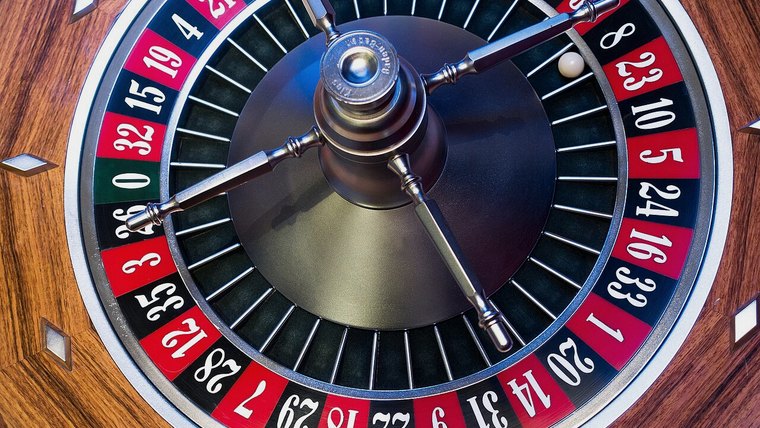
The edge is the inverse of the Return-To-Player rate, expressed as House Edge = 100 − RTP. For European roulette, where a ball falls into 37 pockets, the casino takes 2.70% of total bets. That figure rises to 5.26% for a 38-pocket American wheel, and a staggering 7.69% for some wheels with 3 numbers: all are standard, legal roulette wheels. That is the definition of house edge.
The Standard Game Rankings
Baccarat: The Banker bet keeps 1.06% of bets in the long term, while the Player wager retains 1.24% for the casino.
- Blackjack: Most game lists track a standard version, 3:2 with 6-decks and dealer stands on soft 17. That edge is pinned at 0.5%. Less commonly found, the dealer hitting soft 17 raises it to 0.64%. For 6-deck games paying 6:5 blackjack, the edge rises to 2.03%.
- Craps: The Pass line bet faces the 1.41% loss rate across common rules, even though odds bets can drop it to minuscule values.
- Keno: Losing 25-30% of the wagers is unattractive compared to the other games listed, although game clocks show that similar take rates are spread out across the casino floor.
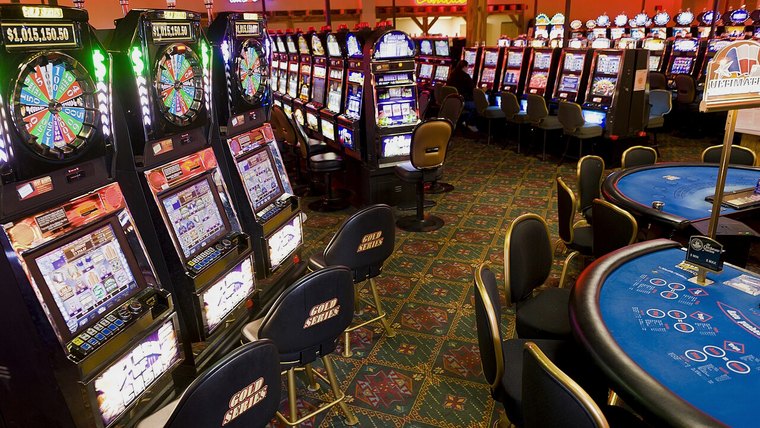
- Video Poker: The game that offers some of the tightest mathematical advantage also has the edge that carries the widest range: 9/6 Jacks or Better, with a high-paying poker hand, holds onto 0.46% of player bets. That is statistically generosity compared to common slot machines, which can run over 5%. The 9/6 paytable installed into a casino video poker machine is an active choice by the operator.
Why the Real Numbers Are Hourly
House-Edge analysis becomes practical when combined with the game's bet size and number of wagers per hour. A structured comparison of edge per unit of time would reflect the real payout numbers more accurately than the headline figures.
For instance, consider the gamble of standing on soft 17 in blackjack, which raises the theoretical edge 0.22%. But that news is not the whole story: tables that use that rule often rely on faster table turnover, most often by reassigning third card to the dealer rather than each player. Failure to acknowledge both rule changes and pace corrupts the comparison between tables.
Rule Changes That Matter More Than Game Choice
The lesson for casino gamblers is that, although a general view of blackjack, craps, and poker is useful, the real opportunities come from table exams and the details are critical.
For starters, in blackjack is often called “the house advantage game”, but the dealer advantage is not fixed. Edge varies widely across pay tables. Standard 6:5 blackjack, common in some casinos, gives the house significantly more advantage than the standard 6-deck, 3:2, dealer stands on soft 17 table.
To examine other games: on an American wheel nearly every roulette bet carries the same house edge of about 5.26%, so the choice between a single number and an even-money bet changes the size of the swings rather than the price of playing.
Craps offers a series of bets that have radically different edge rates, but the game floor will not make those important numbers prominent. One prominent exception comes for Craps Pass lines with odds wagers, a bet that can have high odds, reducing the player’s true risk-return rate to a 0% negative rate.
So with roulette, keno, and casino slots extortionate edge prevalent across the casino, the takeaway is not to pay the price, which goes up steeply based on the house's higher-stakes needs.
What to read next
Written by the IGCS DeskExplanatory desk covering online casinos, sportsbooks and the money that moves through them. We do not rank operators and we do not take bets: every page here is meant to answer one question and then get out of the way.